
If you’re searching for an authentic musical experience during your trip to Dublin, you’re not alone. Dublin city is home to one of the world’s most vibrant music scenes, from its lively pubs and concert venues to its museums and cultural landmarks celebrating Ireland’s creative spirit. Many music enthusiasts arrive in Dublin hoping to find an experience that truly connects them with the country’s musical heritage. But what most people don’t realise is that Dublin’s most authentic music experience isn’t a museum at all, it’s a working recording studio open to the public. For a broader itinerary, see our city guide to the top things to do in Dublin.
Windmill Lane Recording Studios, located in Dublin’s Docklands, just a short walk from the River Liffey, is the creative home where U2’s sound was born and where music continues to be made today. The studio remains a living part of the city’s cultural landscape, a place where local, as well as global artists, still come to record. Our studio is open for visitors to step directly into the rooms that helped shape Ireland’s modern musical identity. Planning a music-centric trip? Check out things to do in Dublin for music lovers.
Discover Music’s Past, Present and Future at Windmill Lane
Museums are designed to preserve and display the past. Recording studios, by contrast, are places where new history continues to be written.
Where Museums might showcase memorabilia, artefacts and or tell the story of Irish music through exhibits, Windmill Lane remains a living, operational recording facility. Instead of just reliving the past, the studio continues to produce new music for both international and Irish artists, keeping its legacy alive through ongoing creativity.
Since it’s opening in 1978, Windmill Lane has welcomed an extraordinary list of artists, including U2, The Rolling Stones, The Cranberries, Lady Gaga, Ed Sheeran, Hozier, Van Morrison, David Bowie and many more who are featured on our clients page. The studio’s control rooms, mixing desks, and live spaces have captured everything from debut demos to global chart-toppers.
That continuity is what makes Windmill Lane truly special. It’s not a museum that looks back, it’s a creative hub that never stops moving forward.
For music enthusiasts and tourists alike, Windmill Lane offers the opportunity to truly experience the spirit of Irish music, spirit and creativity. If you want to see who else has recorded at Windmill Lane be sure to visit our clients page for the full list of artists or book a tour online.
What Makes the Windmill Lane Visitor Experience So Unique?
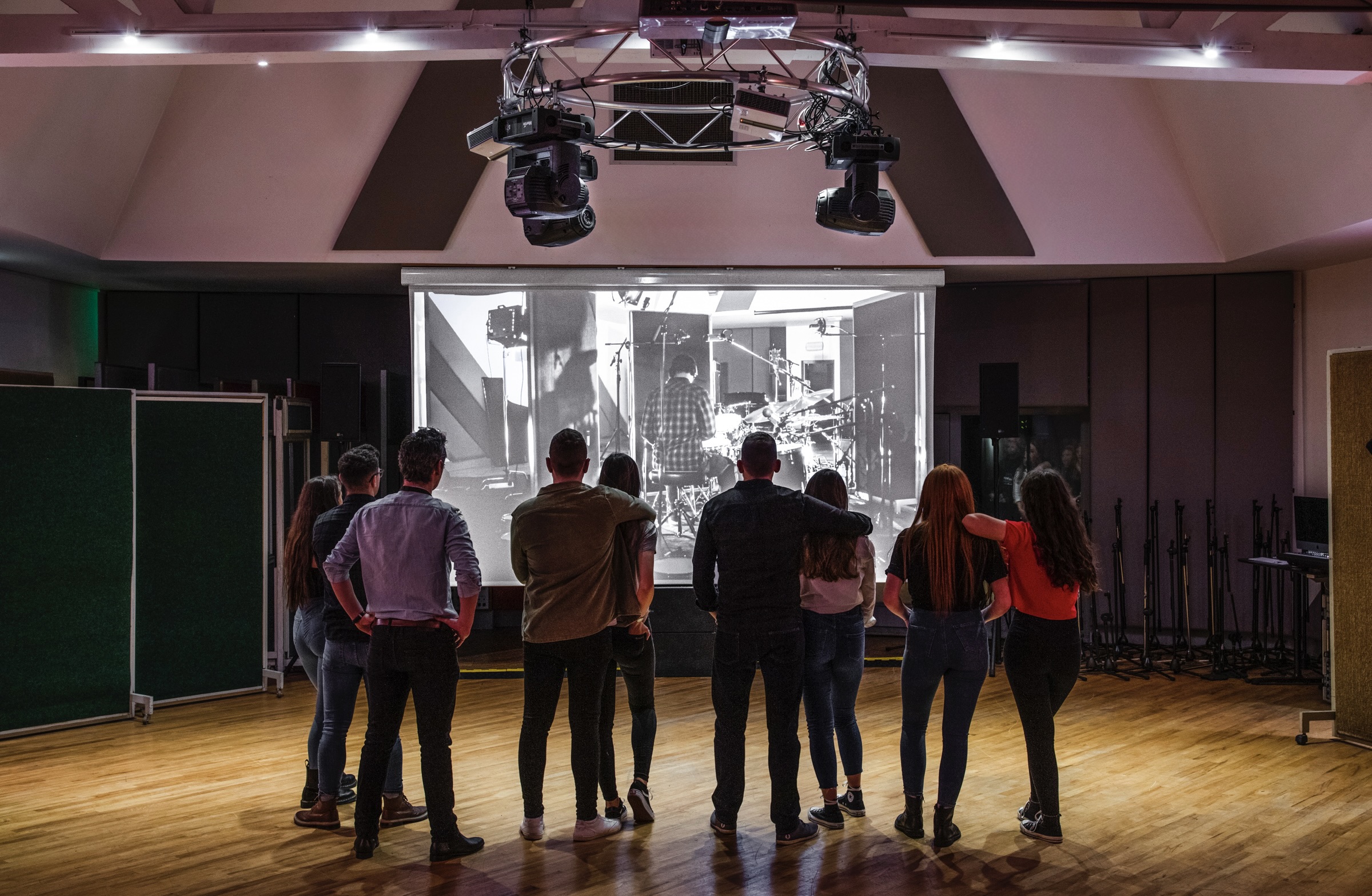
Windmill Lane offers visitors a rare opportunity to step inside a working recording studio and see where some of the world’s most influential music has been created. Rather than viewing history from a distance, guests are invited into the very environment where artists, producers, and engineers collaborate to bring songs to life. Our tours allow visitors a rare view into the setting where those icons actually created their music and a glimpse into the creative and technical processes behind it.
Visitors to Windmill Lane can walk through the very rooms where U2 and countless other artists stood, see the spaces where albums were tracked and mixed, and learn how producers and engineers shape sound to bring a song to life. Our expert guides explain how technology, acoustics, and creative collaboration work together in a professional recording environment to create music. At Windmill Lane we want to give fans a fuller understanding and appreciation of how some of their favourite songs were made.
The experience also highlights the studio’s current role as one of Europe’s most advanced recording facilities. Windmill Lane regularly hosts artists for orchestral film scores, television soundtracks, alongside chart topping artists. This ongoing creative output ensures that Windmill Lane isn’t just a monument to U2’s past. It remains part of Ireland’s living, breathing and ever evolving music industry.
Why Is Windmill Lane Known as U2’s Real Studio?
Windmill Lane Recording Studios has been at the heart of U2’s musical journey since the very beginning. The budding young band first recorded there in the late 1970s with their debut album Boy. As they band began to make an impression on the world they returned repeatedly throughout the 1980s and beyond, using the studio to develop their sound, experiment with new ideas, and produce some of their most iconic albums.
From their debut album Boy to October, War, and later projects, U2’s relationship with Windmill Lane was a cornerstone of their career. The studio became a creative home where the band could explore, refine, and challenge themselves. It played a key role in shaping the distinctive sound and energy that would define U2’s music and establish them as one of the world’s most influential bands.
Over the decades, Windmill Lane has remained closely associated with U2, symbolising both their roots in Dublin and the evolution of their sound. For fans, it represents not only the birthplace of the band’s early work but also a place that continues to celebrate and preserve their ongoing legacy in Irish and global music. For more background on that connection, see The Birthplace of U2 and pair it with our self-guided U2 Dublin “museum” walking tour route.
Can You Visit Windmill Lane and See Where U2 Recorded?
Yes. The Windmill Lane Visitor Experience gives fans and music enthusiasts the chance to explore this legendary studio up close. Unlike a museum visit, which is centred on displays and artefacts, this guided experience takes guests through the working environment of professional music production.
Visitors can step inside Studio Two, the main live room where U2 recorded during their early years, and see how the studio has evolved into a modern facility that still honours its history. The tour combines storytelling with hands-on engagement allowing visitors to observe how a recording session works, learn about the technology that shapes sound, and understand the creative process from inspiration to finished track.
Every corner of the studio, from the mixing desk to the vocal booths, has a story to tell. Visitors are sure to leave with a deeper understanding of how their favourite music was created, while gaining a sense of the studio’s continuing influence on the world’s music scene.
Why Is Windmill Lane a Must-See for U2 Fans Visiting Dublin?
For U2 fans, few places offer a closer connection to the band’s origins. The studio represents the true beginning of their journey, not through memorabilia or stories told second-hand, but through the very space where they worked, rehearsed, and recorded.
Windmill Lane captures the atmosphere of U2’s formative years in a way no exhibition could. Visitors can sense the scale of what began in those small rooms, a sound that travelled from Dublin’s docklands to the world’s biggest stages.
Beyond U2, the tour celebrates Ireland’s broader contribution to contemporary music, showcasing the talent, technology, and creativity that continue to define Windmill Lane as one of the world’s most respected studios.
How Can You Visit Windmill Lane?
The Windmill Lane Visitor Experience is open throughout the week, with scheduled guided tours offering insight into the studio’s history and ongoing projects. Each visit includes access to Studio One, interactive exhibits, and detailed commentary from knowledgeable guides.